Chained Reels: Zero-Deposit Entry Points Ignite Successive Multiplier Sequences Across Mobile Gaming Platforms
Written by Elena Jung · Oct 16, 2026
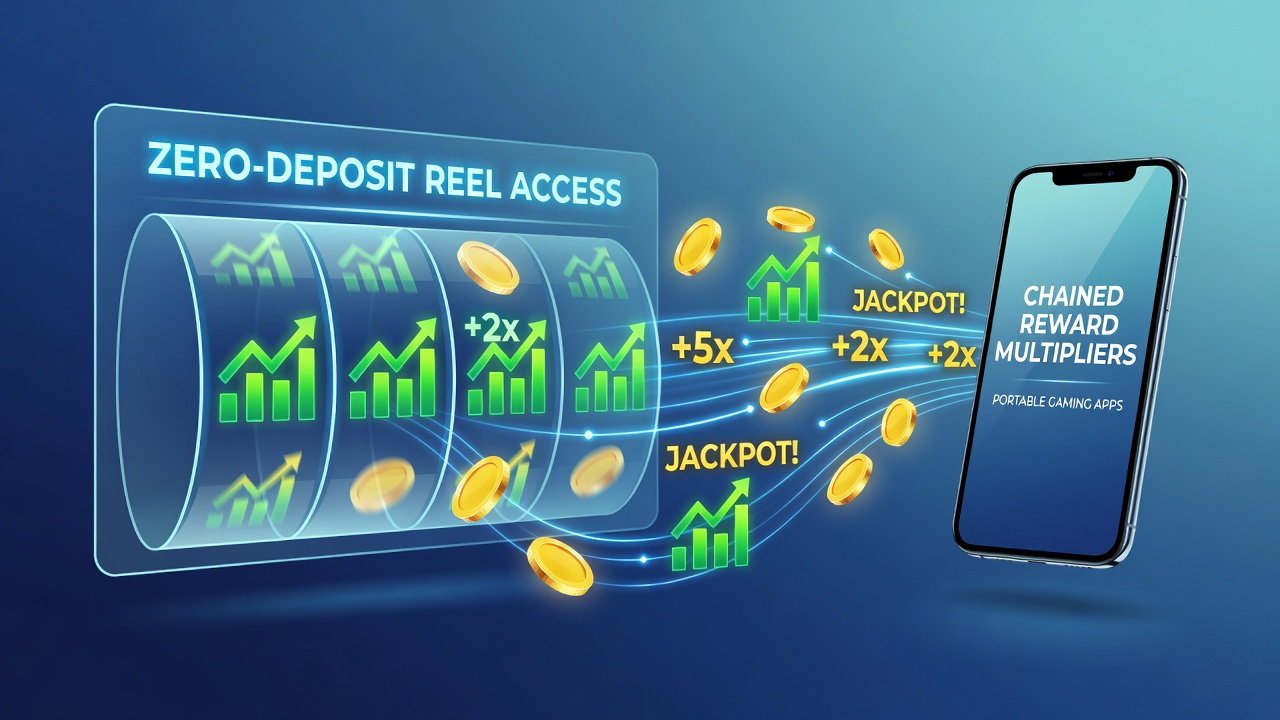
Mapping the Multiplier Ripple: Zero-Deposit Reel Access in Mobile Gaming Ecosystems
Zero-deposit reel access in portable gaming apps often serves as the entry point that activates subsequent reward layers, and data from multiple jurisdictions shows how these initial free spins transition into chained multipliers through structured bonus systems. Observers note that players receive starting credits or spins without an upfront deposit, after which engagement metrics trigger additional offers that build on the original access.
Initial Access Mechanisms in Portable Platforms
Portable gaming applications structure their entry bonuses around verification steps that require account creation yet bypass immediate funding, and this approach has expanded across operators since the middle of 2025. Research indicates that once players complete basic registration, the system grants a fixed number of spins on designated reels, setting the stage for further reward accumulation. Those who study player behavior patterns have documented how these early interactions feed into loyalty tracking that monitors spin counts, win frequencies, and session duration.
Figures from industry reports reveal that apps typically link the zero-deposit phase directly to a multiplier ladder, where each completed round without cash input increases eligibility for the next tier. This connection operates through automated code checks that detect activity thresholds and release progressive rewards accordingly.
Transition from Free Spins to Chained Multipliers
The shift from initial free access to multiplier chains occurs when the app registers sustained play, and analysts have traced this progression through transaction logs that show bonus codes activating deposit matches after the first set of spins. Data shows that many platforms apply a scaling factor to winnings from the zero-deposit round, converting them into credits that count toward higher reward brackets. Researchers discovered that this scaling frequently incorporates time-bound conditions, such as completion within a set window, which encourages continued engagement without requiring external funding at the outset.

But here's the thing: the architecture relies on hidden variables that adjust multiplier values based on aggregate user data collected in October 2026. A study from the Australian Gambling Research Centre documented how these variables create layered outcomes where early wins compound into deposit incentives that carry their own multiplier rates.
Technical Structure of Reward Chains
Engineers design the backend systems to connect zero-deposit reels with subsequent offers through sequential triggers, and this linkage appears in the form of progressive bonus pools that draw from player activity metrics. Observers have noted that once a player exhausts the initial spins, the app evaluates performance against preset criteria before unlocking the next stage, often introducing a match percentage or additional free rounds. Those who've examined code patterns report that the multipliers themselves stem from algorithms that factor in both individual session data and broader network trends.
Evidence from platform audits indicates that these chains maintain separation between free and funded play phases, preventing overlap while still allowing accumulated credits to carry forward. The process continues until the system reaches a predefined cap or the player initiates a deposit, at which point new multipliers activate on the deposited amount.
Regulatory Context Across Regions
Regulatory bodies outside the United Kingdom have issued guidance on how operators must disclose the transition points between zero-deposit access and chained rewards, and reports from the Nevada Gaming Control Board highlight disclosure requirements that took effect in late 2026. These rules require clear labeling of multiplier values and the conditions under which free access converts to paid incentives. Data collected in October 2026 shows compliance rates varying by jurisdiction, with some regions mandating real-time notifications when a chain reaches its next stage.
Academic papers from university research teams have analyzed how these disclosures affect player retention, finding that transparent multiplier information correlates with longer session times across multiple app ecosystems. The findings emphasize factual patterns rather than outcomes, noting that operators adjust chain lengths according to regional limits on bonus frequency.
Player Journey Through Multiplier Layers
Players encounter the cascade when the app surfaces the first reward immediately after registration, and subsequent layers appear as the system logs incremental achievements. Those who track usage statistics report that many users progress through three to five chained stages before the bonus structure requires a deposit to continue scaling. The mechanics rely on real-time updates that refresh available multipliers based on current play data, creating a continuous pathway from the zero-deposit starting point.
Examples from app analytics demonstrate how a single free spin session can feed into a deposit match that itself carries an additional multiplier, extending the reward sequence without interrupting the user flow. This progression stays within the portable environment, using device-specific identifiers to maintain continuity across sessions.
Conclusion
The cascade effect in portable gaming apps operates through interconnected systems that link zero-deposit reel access to chained reward multipliers, and available data from October 2026 illustrates the technical and regulatory frameworks supporting these structures. Observers continue to monitor how these connections evolve as operators refine their bonus architectures across different markets.